
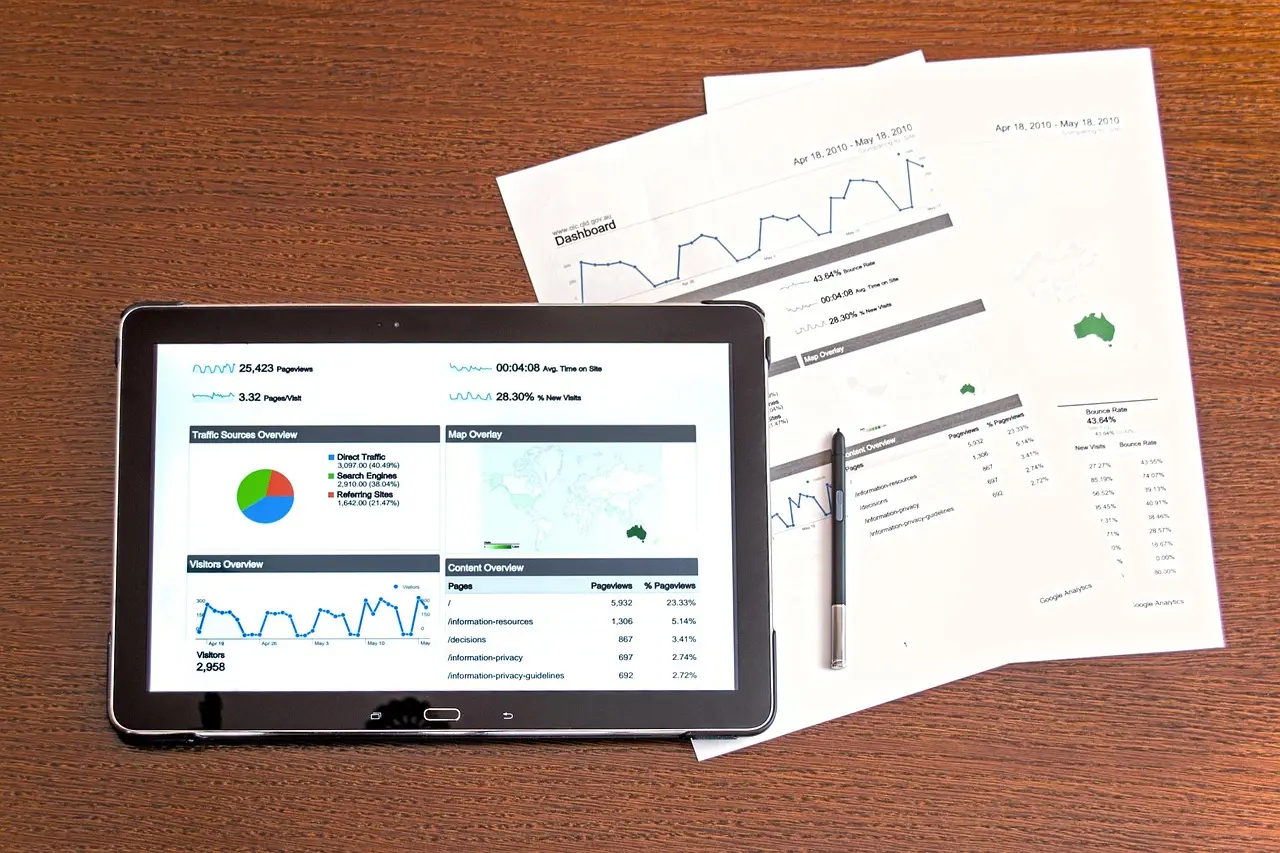
Quick answer: You should prioritize enquiry tracking because actual sales leads generate revenue, while high visitor counts often don't. Traffic is just a number, but enquiries represent people who are ready to buy your services or products. This article explains how to change your focus.
Many business owners in India get caught up in looking at how many people visit their website. They see a high number and feel happy. However, if those people leave without calling you or filling out a form, that traffic isn't helping your business at all. You must look for quality over quantity.
Simple details
- Vanity metrics: These are numbers like page views that look good but don't show profit.
- Conversion tracking: This process counts how many visitors actually become leads or customers.
- Business ROI: Business ROI measures the profitability of your marketing investments relative to the costs incurred.
- Google Analytics: A tool that helps you see where your visitors come from and what they do.
- Lead generation: The act of capturing contact details from interested potential customers.
Why visitor counts can be misleading
A high number of visitors doesn't mean your business is succeeding. Imagine a shop in Madurai that has hundreds of people walking past the front door every day. If nobody enters the shop to ask about prices or buy anything, those people walking by aren't customers.
They are just traffic. Websites are the same. You might have a thousand people visit your site because of a viral social media post. If none of them need your specific service, your bank account remains the same.
It is easy to feel successful when you see a graph trending upward. But if that graph doesn't match your bank statement, it is a false positive. You should ignore the vanity and focus on the reality of your sales pipeline.
Setting up meaningful conversion goals
To know if your website design is working, you need to track specific actions. These actions should directly relate to your income. A visitor looking at your contact page is good, but a visitor submitting a quote request is much better.
- Define what a lead looks like for your specific business model.
- Set up tracking for your contact forms and phone number clicks.
- Use tools to see which marketing channels bring in these paying enquiries.
- Review your data monthly to see which pages lead to the most contacts.
When you track these goals, you learn exactly which pages convert visitors into buyers. You may find that certain pages on your site perform better at generating leads than others. This knowledge helps you improve that specific page to get even better results.
How to measure actual business ROI
Business ROI measures the profitability of your marketing investments relative to the costs incurred. If you spend money on ads or Next.js development, you need to know if that investment is coming back to you.
For example, if a local interior decorator spends money to improve their site, they should track how many people request a site visit. If the site gets many visitors but only two enquiries, they know they need to improve the content. If they get fewer visitors but ten enquiries, they are doing something right.
Calculating ROI helps you stop spending on channels that don't work. If a channel is not meeting your business goals, consider re-evaluating your strategy for that platform. You will have more money to spend on the channels that actually bring in paying customers.
Common mistakes in tracking data
Many owners look at the wrong reports in Google Analytics. They focus on the total number of sessions. Instead, you should look at the conversion rate. This is the percentage of visitors who take the action you want, like calling your office or emailing you.
Another mistake is ignoring where the traffic comes from. You might get traffic from a city where you don't offer services. That is wasted effort. You need to filter your data to see who is actually in your service area.
Don't let vanity metrics distract you from the geography of your leads. Focus on attracting visitors from your specific service area. This ensures you are talking to people who can actually hire you for a job.
Practical steps for business owners
Start by making your contact information very easy to find. If a customer has to search for your number, they will leave. Use clear buttons that stand out on every page. This helps with business automation by ensuring you get the right details immediately.
- Place your phone number in the header of your website.
- Use a simple contact form that only asks for a name and phone number.
- Test your forms regularly to ensure they actually send you an email.
- Keep your service area clear so people know if you cover their location.
For instance, if you run a catering business, put a 'Get a Quote' button on every page. Ensure your call-to-action buttons are clearly visible to users. This helps a busy person find the right contact option quickly.
Reality check
Tracking isn't always perfect. Sometimes people call you directly without ever visiting your website. This is called offline conversion. You must ask every new customer how they found you.
Do not rely only on digital tools. Your own records are just as important as your website reports. If you don't ask, you'll never know which marketing effort actually worked. Keep a small logbook near your phone to track these calls.
Who this is for and who should skip
-
This is for business owners who want to grow their revenue through their website.
-
This is for service providers who rely on direct enquiries to make sales.
-
This is for anyone spending money on digital marketing who wants to see results.
-
Skip this if you only use your website as a digital business card for existing clients.
-
Skip this if you don't have a way to handle new customer enquiries.
If you aren't ready to follow up with leads, you shouldn't worry about tracking them yet. Focus on your internal processes first. Once you have a system to handle incoming calls or emails, then you can focus on increasing the number of enquiries.
Verdict
Stop worrying about high visitor counts. Focus entirely on how many people are contacting you to buy your services. Focusing on enquiries can help you better understand the performance of your website.
Invest your time in tracking the actions that lead to money in the bank. By ignoring vanity metrics, you gain clarity. You will see which parts of your business are truly profitable. This allows you to work smarter rather than just working harder to attract more clicks.
Quick checklist before you change your tracking
- Ensure your contact form works on both mobile phones and computers.
- Check that your phone number is clickable for people on smartphones.
- Verify that your analytics account is correctly linked to your website.
- Ask your current customers how they found your business name.
- Remove any confusing pages that don't help a user take action.
Frequently asked questions
Why does traffic not always lead to sales?
Traffic is just people visiting a page. If your content doesn't solve their problem or explain your service clearly, they will leave without buying anything.
What is a good conversion rate for a small business?
There isn't one single number for everyone. It depends heavily on your industry and how well your site is designed to convert visitors.
Should I ignore traffic numbers completely?
No, but you should treat them as a secondary metric. High traffic is useful only if it brings in people who are actually interested in your work.
How do I start tracking enquiries if I am not technical?
Start by keeping a simple notebook or a spreadsheet. Write down every new enquiry you get and note if they found you through your website or another way.
Can I track phone calls from my website?
Yes, you can use call tracking tools to see which visitors clicked your phone number. This helps you understand which marketing campaigns are driving the most direct calls to your office.
Summary
- Prioritise enquiries over visitor counts to grow your business.
- Use conversion tracking to see which pages bring in real leads.
- Focus on quality visitors within your specific service area.
- Regularly test your contact forms to ensure they work for customers.
- Ask customers how they found you to verify your digital reports.